
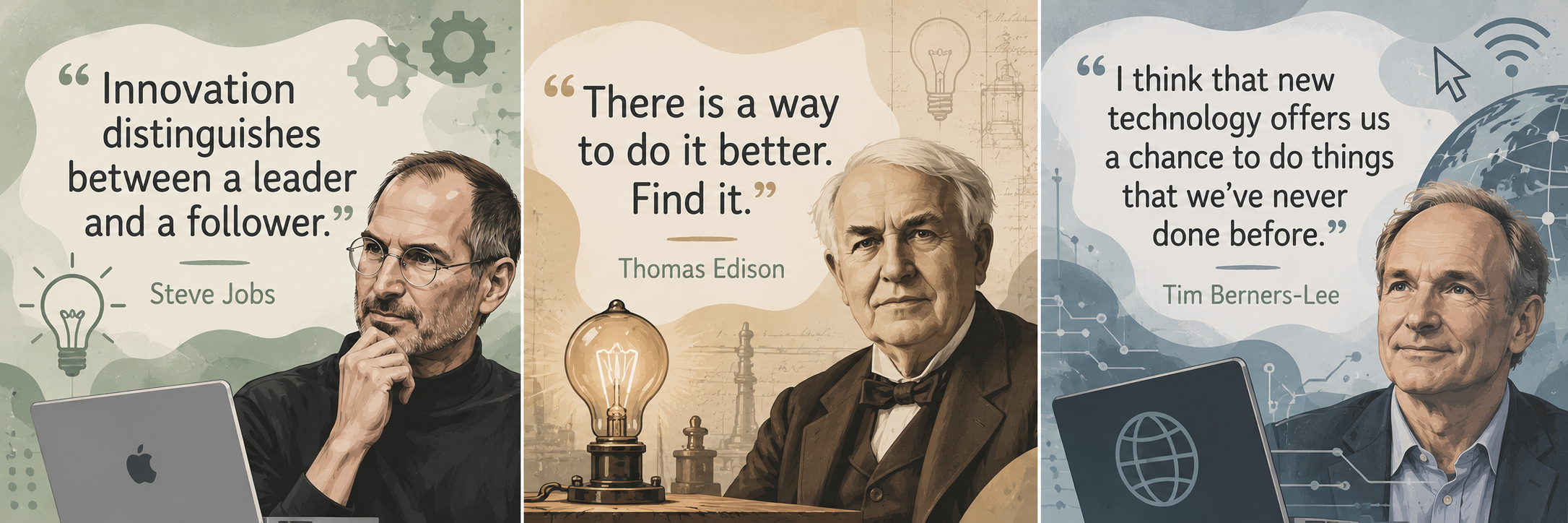
At our school, Design and Technology is an exciting opportunity for children to become creative thinkers, problem-solvers and innovators. We want children to enjoy designing, making and evaluating products, while developing the practical skills and knowledge needed to solve real-life problems. We encourage children to be curious designers who ask questions, explore ideas and think carefully about how products can be improved.
Design and Technology lessons are engaging and hands-on, helping pupils to develop their understanding of the design process from initial ideas through to finished products. Children learn about structures, mechanisms, textiles, food and nutrition, and electrical systems, applying their knowledge across a range of purposeful projects.
We bring Design and Technology to life through practical experiences, real-world challenges and cross-curricular learning. Children might design and build a stable structure, create a moving vehicle, prepare healthy dishes, sew a textile product or develop a solution to a problem within their local community. These meaningful experiences help pupils understand how design and technology shape the world around them.
Hands-on learning is at the heart of our Design and Technology curriculum. Pupils enjoy using a range of tools, materials and equipment to design, make and test their ideas. They learn to plan carefully, work safely, select appropriate materials and evaluate the effectiveness of their finished products.
As children move through the school, they develop important skills such as designing for a purpose, generating and communicating ideas, improving prototypes, evaluating products and applying technical knowledge. They begin to understand how designers, engineers, inventors and chefs use creativity and innovation to solve problems and improve everyday life.
By the time pupils leave our school, we want them to be confident, creative and resilient designers and makers. We aim for pupils to have the skills, knowledge and curiosity to innovate, tackle challenges and realise that they have the power to design and create solutions that can make a positive difference in the world.
At Darton Primary School, our Design and Technology curriculum aims to inspire children to become creative, innovative and confident problem-solvers. Through a carefully sequenced curriculum, pupils develop the knowledge, skills and understanding needed to design, make and evaluate products that solve real and relevant problems. We aim to nurture curious and resilient learners who are willing to take risks, learn from mistakes and use their imagination to bring ideas to life. By exploring a range of contexts, materials and technologies, children develop an appreciation of how design and technology impacts everyday life and shapes the world around them.
Through engaging, practical learning experiences, pupils develop the skills to investigate, design, create, test and refine products for a purpose. They work with a variety of materials and components, including structures, mechanisms, textiles, food and electrical systems, applying their learning to meaningful projects. Our curriculum encourages children to think critically, communicate ideas effectively and evaluate products against design criteria, developing an understanding of the design process from concept to completion. Pupils are also introduced to the work of designers, engineers, inventors and chefs, helping them to recognise the importance of creativity, innovation and technology in modern society. Our curriculum reflects our school values of inclusion, positivity, kindness, respect, honesty and curiosity, ensuring that every child is supported to develop their confidence, practical skills and creative thinking.
Ultimately, we want our children to leave Darton Primary School with a strong foundation of design and technological knowledge, the confidence to approach challenges creatively and the resilience to refine and improve their ideas. We aim to nurture innovative thinkers and responsible future citizens who understand how design can improve lives and solve problems, ready to Aim High, Work Hard, Achieve Together.
Our Design and Technology curriculum is taught through a carefully planned two-year cycle, ensuring full coverage of the National Curriculum while allowing pupils to revisit and build upon prior learning over time. Teaching is organised around meaningful concepts and real-life contexts, enabling children to develop a deep understanding of the design process and its application in the wider world.
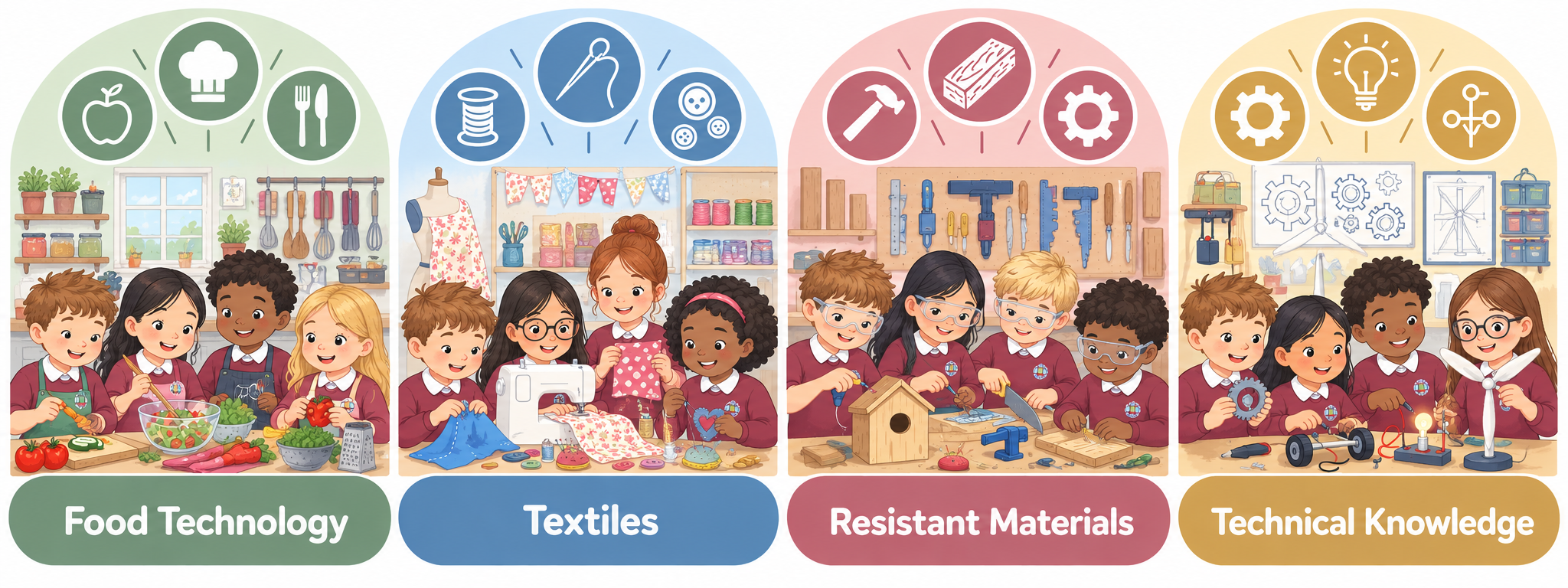
The curriculum is rich, engaging and purposeful, equipping pupils with the creativity, problem-solving skills and technical knowledge required for life in the 21st century. Through planned and systematic opportunities to revisit key concepts in different contexts, children develop confidence and competence in the core areas of:
These concepts are taught through a range of exciting projects across structures, mechanisms, textiles, food and nutrition, and electrical systems. Wherever possible, learning is linked to authentic, real-world purposes, giving children opportunities to design and create products for a genuine audience. Enterprise projects, community links, competitions, showcases and collaborative challenges enable pupils to see the relevance of Design and Technology beyond the classroom and understand how designers, engineers and innovators shape the world around them.
Hands-on learning is at the heart of our curriculum. Pupils investigate existing products, generate and communicate ideas, develop prototypes, test solutions and evaluate outcomes. They are encouraged to take risks, learn from mistakes and refine their designs through an iterative process, developing resilience and independence as learners.
The Accelerated Learning Cycle, based on the work of Alistair Smith, underpins our teaching approach. This creates a supportive yet challenging learning environment where pupils actively engage in their learning through practical, multi-sensory experiences. Opportunities to demonstrate understanding in a variety of ways and revisit key knowledge ensure that learning is embedded and retained over time.
Assessment is an integral part of Design and Technology learning and is used to ensure all pupils make strong progress. Formative assessment takes place throughout lessons, enabling teachers to adapt learning, address misconceptions and provide appropriate support and challenge. Skilled questioning, observation of practical work and pupil discussions help teachers monitor understanding and inform next steps.
By the end of their time at Darton Primary School, pupils leave as confident designers and makers who can apply their knowledge creatively, solve problems effectively and understand the value of Design and Technology in everyday life. They are equipped with the skills, resilience and innovative mindset needed to thrive in an ever-changing world, ready to Aim High, Work Hard, Achieve Together
25327751173293664961HCAT Design and Technology Curriculum Revised (1)